Tokyo Olympics 2020 to be held from July
23 to August 8 after 1-year delay due to coronavirus pandemic
The delay is the first in the modern Olympics
'124-year history, which marks a major blow to Japan, which has spent $13
billion in the run-up to the event, collecting $3 billion from domestic
sponsors.
The International Olympic Committee and the
organizers agreed to hold next year's Olympics in Tokyo from 23 July to 8
August. The Games were delayed by a year earlier this month because of the
coronavirus pandemic which has caused the cancellation or suspension of
all major sporting events.
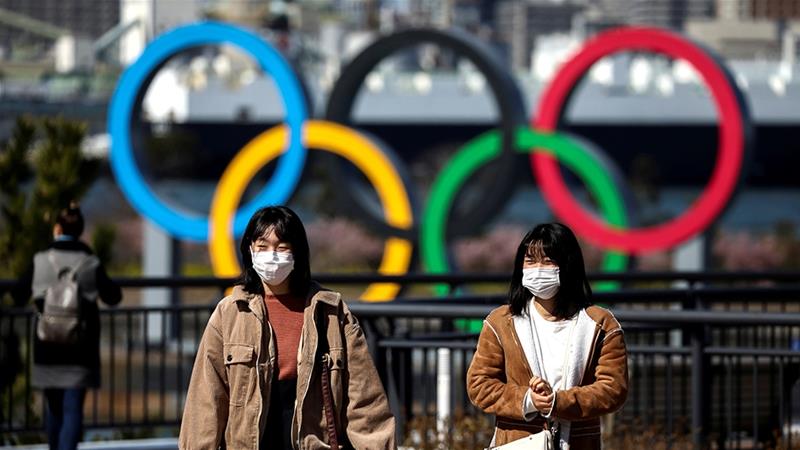
Monday, between the International Olympic Committee
and local promoters, the proposed dates were decided.
Earlier, Yoshiro Mori, President of the Tokyo Organizing Committee, indicated that a decision should be made on Monday itself on the new dates for the Summer Games, which will be renamed Tokyo 2020 despite being held in 2021.
The delay is the first in the modern Olympics '124-year history, which marks a major blow to Japan, which has spent $13 billion in the run-, collecting $3 billion from domestic sponsors.
Toshiro Muto, chief executive of the Games, said
earlier on Monday that the committee was going "in the direction" of
honoring tickets bought at the rescheduled event for the 2020 Games, or issuing
refunds in the case of scheduling changes;
"We want to thank all those who bought the tickets in high demand's dreams," Muto said at a news conference.
But it was too early to know what the delay would cost the extra, Muto said.
Last Tuesday, the IOC and Japanese government bowed
to extreme pressure from athletes and sporting organizations around the world
by promising to move back the Games due to the coronavirus outbreak, which
affected more than 630,000 people worldwide and caused more than 30,000 deaths
as of 4PM on March 30th 2020.
What is much worse is that the number of Covid-19 cases in Tokyo has unexpectedly risen after last week's announcement of the postponement of the Olympics.
Prime Minister Shinzo Abe said Saturday that Japan is now on the verge of a massive leap in events, as tracking and holding clusters under track is becoming extremely difficult.
If diseases are exacerbated our policy ... It's
going to break apart overnight, "Abe said." We're only barely hanging
on to the present situation. Abe has said there's no need for a state of
emergency just yet, but that Japan could face a crisis as serious as in the
United States or Europe at any moment.


Comments
Post a Comment